
Built through curiosity
Originally published in The Designer, the publication for members of the Chartered Society of Designers.
We’re proud to share a recent article by our Creative Partner Craig Lister MCSD, Chartered Designer, exploring the role that curiosity, craft and continuous learning have played throughout his career.
From letterpress and signwriting to digital tools and live university briefs, Craig’s approach has always been about understanding how things work before finding ways to evolve them.
In the article, he reflects on why good design is about much more than the software you use and why the best designers never stop learning.
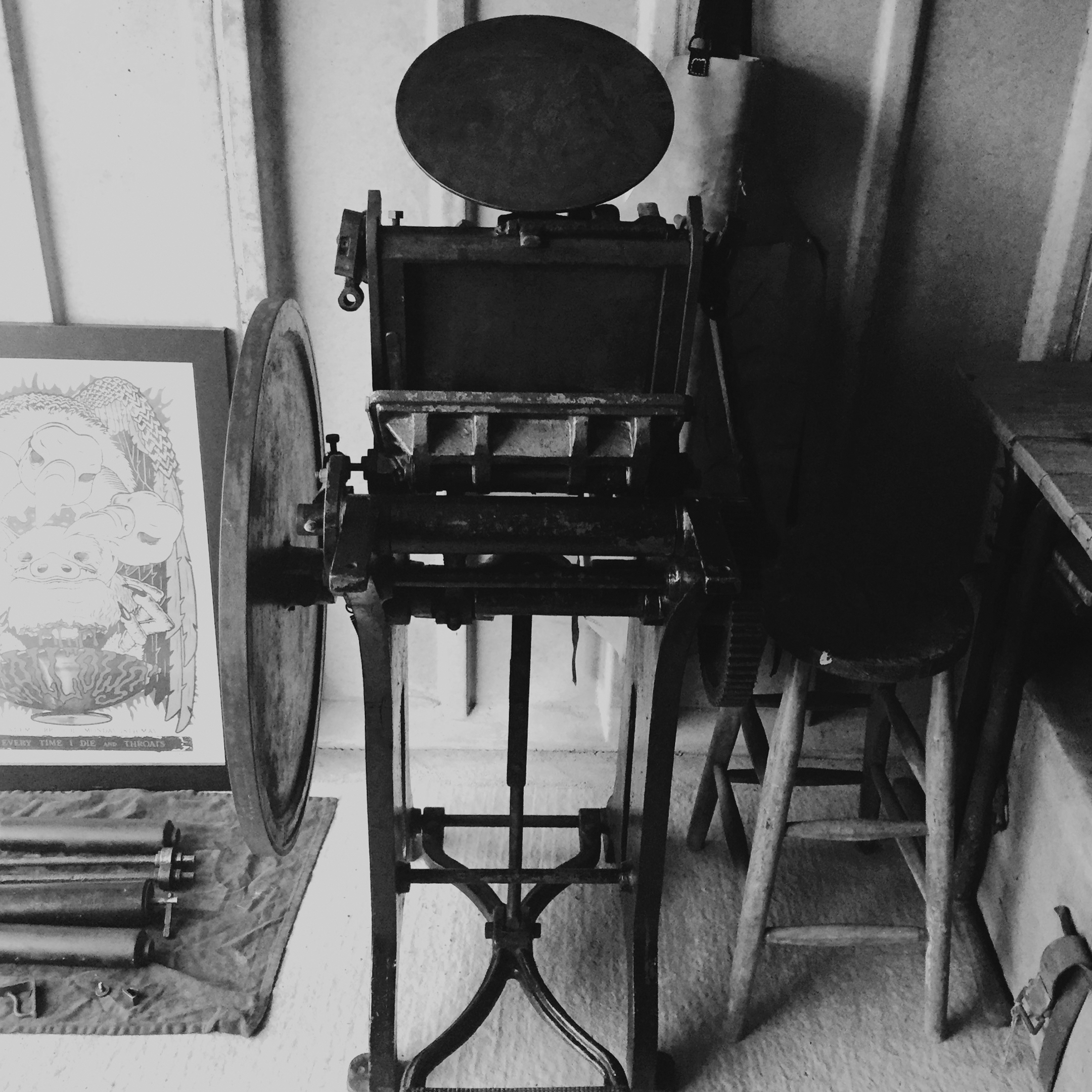
Craig believes good designers aren’t defined by the software they use. They’re defined by the curiosity that drives them to keep learning. Owning a letterpress dating back to 1905. Not because he prints with it. Because he wanted to better understand the history of typography.
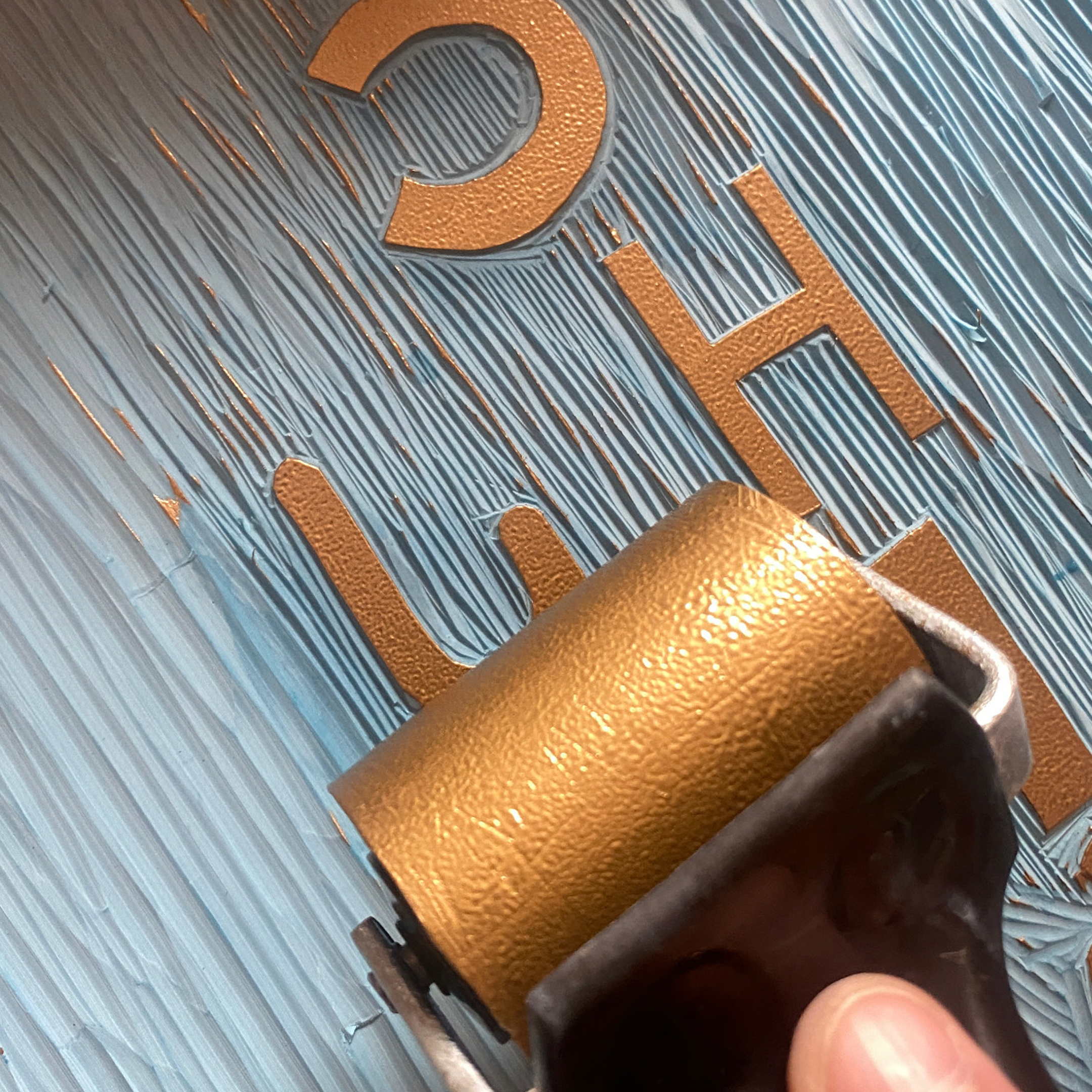
“Typography has always fascinated me,” he says. “I’ve explored it through letterpress, printmaking and signwriting.”
For Craig, learning has never been about collecting skills for the sake of it. Every new technique has deepened his understanding of design. “I wanted to know what was realistically involved rather than making assumptions.” That mindset has shaped his career.

Curiosity is part of the craft
None of the traditional techniques Craig has explored were essential to becoming a graphic designer. Each one, however, has influenced the way he works today.
One of the biggest turning points came early in his career, when Glenn Taylor FCSD and Bob Hewson taught him how to produce marker visuals. “The point wasn’t to create beautiful artwork,” he says. “It was to communicate an idea quickly, involve the client early and keep the focus on solving the problem.” Today he has adapted that same process for the iPad.
For Craig, learning traditional methods isn’t about nostalgia. It’s about understanding the principles well enough to take them somewhere new.
Without learning the traditional method first, I don’t think I could have developed a digital version that feels the same. Understanding the craft allowed me to evolve it rather than replace it.”

Good thinking outlasts good software
Through Stocks Taylor Benson, Craig works closely with universities including Nottingham Trent, Northampton and De Montfort, setting live briefs that challenge students to think differently.
His packaging brief, Unaverage, encourages students to question why products within the same category often end up looking alike. The exercise isn’t about software. It’s about thinking.
“The strongest designers aren’t defined by the software they use,” he says. “They’re defined by the originality of their thinking.” When reviewing portfolios, that’s exactly what he looks for.
I’m much more interested in how someone thinks. How did they research the audience? Why did they make the decisions they made? Can they explain the strategy behind the work?”

Experience is something you build
Looking back, many of Craig’s biggest opportunities came because he created them.
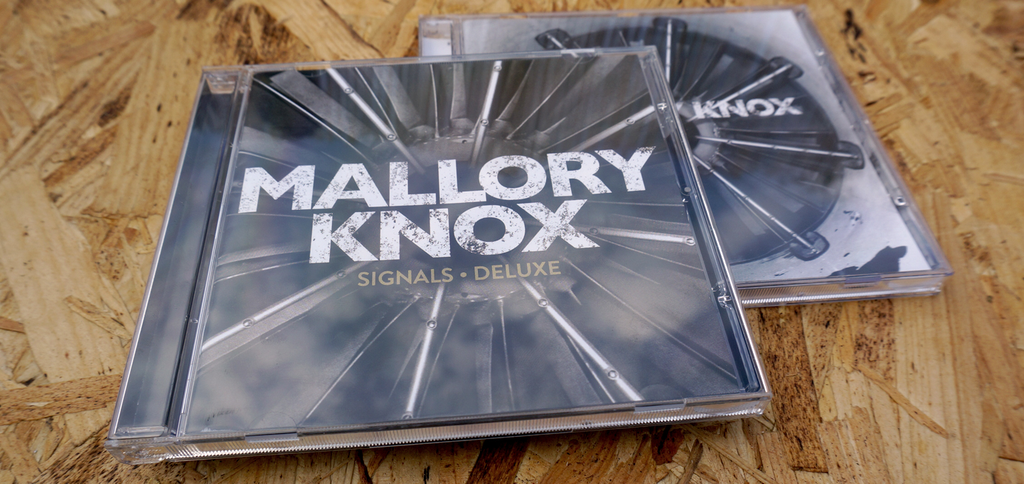
He approached bands to design merchandise, learnt animation to better understand the projects he was quoting for, and deliberately sought experiences outside his day-to-day role.
None of those decisions were essential, yet every one made him a better designer. The same philosophy shapes the advice he gives graduates. “Your degree gets you to the starting line. What happens next is largely down to you.”
The designers who stand out, he says, are rarely waiting for opportunities to arrive. They are freelancing, collaborating, entering competitions, creating personal projects and finding ways to keep learning beyond university.
“I’d also like to see even stronger partnerships between universities and agencies,” he says. “The more students can experience live briefs, client presentations, feedback, budgets and the realities of agency life before they graduate, the more prepared they’ll be.”
Understanding before shortcuts
As digital tools become increasingly capable, Craig sees them as another part of the designer’s toolkit. The principle, however, hasn’t changed.
“You have to understand how something should look before you can confidently shortcut the process.” Whether that’s typography, sketching ideas or developing concepts digitally, understanding comes first. Technology will continue to evolve, and good designers will evolve with it.
Understanding before shortcuts
As digital tools become increasingly capable, Craig sees them as another part of the designer’s toolkit. The principle, however, hasn’t changed.
“You have to understand how something should look before you can confidently shortcut the process.” Whether that’s typography, sketching ideas or developing concepts digitally, understanding comes first. Technology will continue to evolve, and good designers will evolve with it.
Experience isn’t something that simply arrives with time… it’s something you choose to build throughout your career.”
